Starting a small herb garden indoors is a rewarding and practical way to enjoy fresh herbs year-round. Whether you have a spacious kitchen, a sunny windowsill, or just a little countertop space, growing your own herbs can enhance your cooking and add life to your home. In this guide, we’ll walk you through everything you need to know to start a successful indoor herb garden.
Why Grow Herbs Indoors?
Indoor herb gardens are perfect for people who:
– Don’t have outdoor space for gardening
– Want fresh herbs year-round
– Enjoy gardening as a hobby
– Look for a way to add greenery and fragrance to their living space
Herbs such as basil, parsley, mint, and thyme are easy to grow indoors and can thrive with basic care.
Choosing the Right Herbs for Indoor Growing
Not all herbs are equally suited for indoor gardening. Here are some popular, easy-to-grow herbs for beginners:
– Basil: Loves warmth and sunlight; great for cooking.
– Mint: Very hardy and fast-growing; prefers indirect light.
– Parsley: Tolerates moderate light and needs regular watering.
– Chives: Grows well indoors and adds a mild onion flavor.
– Thyme: Requires bright light and well-drained soil.
– Oregano: Thrives in sunny spots and well-drained soil.
Consider your cooking preferences and the amount of natural light available before selecting herbs.
What You’ll Need to Get Started
Starting an indoor herb garden requires a few basic supplies:
– Containers: Pots with drainage holes are best to prevent waterlogging.
– Potting Mix: Use a lightweight, well-draining potting soil designed for indoor plants.
– Seeds or Starter Plants: You can grow from seeds or buy small plants from a nursery.
– Watering Can: A small watering can with a narrow spout helps control water flow.
– Grow Lights (optional): If natural light is limited, LED grow lights provide essential light.
Step-by-Step Guide to Planting Your Herb Garden
1. Choose Your Location
Most herbs need at least 6 hours of sunlight per day. Windowsills facing south or west are ideal. If natural light is insufficient, set up a grow light about 6-12 inches above your plants.
2. Prepare Your Containers
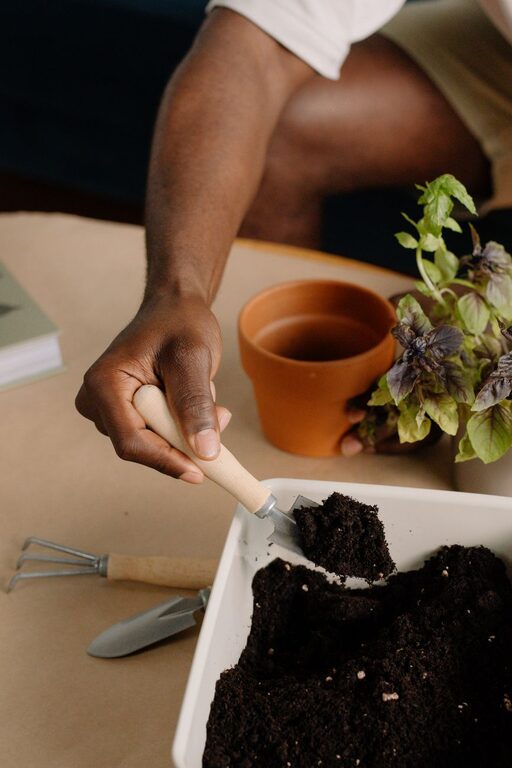
Fill your pots with potting mix, leaving about an inch of space at the top. Make sure the containers have drainage holes to avoid root rot.
3. Plant Seeds or Transplants
– Seeds: Plant seeds according to the depth instructions on the packet. Cover lightly with soil and gently water.
– Starter Plants: Transplant carefully to avoid damaging roots, then water thoroughly.
4. Water Properly
Water until the soil is evenly moist but not soggy. Most herbs prefer soil that dries out slightly between watering. Overwatering can lead to fungal problems.
5. Maintain Your Garden
– Light: Rotate plants every few days to ensure even growth.
– Fertilize: Use a balanced, water-soluble fertilizer every 4-6 weeks.
– Prune: Regularly pinch off dead or yellowing leaves to encourage bushier growth.
– Monitor: Watch for pests like aphids or spider mites and treat them promptly with natural methods like insecticidal soap.
Tips for Successful Indoor Herb Gardening
– Start Small: Begin with 2-3 herbs to learn their needs before expanding.
– Use Labels: Mark your pots to remember which herb is which.
– Harvest Frequently: Regular clipping encourages new growth and keeps plants healthy.
– Avoid Drafts: Place your plants away from cold or hot drafts from windows and vents.
– Clean Pots: Clean containers before reusing to prevent disease.
Troubleshooting Common Issues
Herb Not Growing Well?
– Check if they’re getting enough light.
– Make sure you’re not over or underwatering.
– Confirm that the temperature is suitable (usually 60-75°F).
Yellowing Leaves?
– Often a sign of overwatering or poor drainage.
– Remove yellow leaves and adjust watering habits.
Leggy Growth?
– When plants stretch toward the light, it means they need more brightness.
– Move them to a sunnier spot or provide supplemental grow lights.
Benefits of Growing Herbs Indoors
Aside from fresh flavors for your meals, indoor herbs can:
– Improve air quality by filtering toxins
– Add a pleasant aroma to your home
– Provide a calming gardening activity to reduce stress
– Teach responsibility and care if shared with children
Final Thoughts
Starting a small indoor herb garden is easier than you might think, and the rewards are delicious and satisfying. With the right herbs, containers, and a little daily care, you’ll quickly enjoy the benefits of fresh, aromatic herbs right at your fingertips. Happy gardening!
About the Author